
Exercising principles. Design 101
interior design and spaces that are both practical as well as beautiful, arrive here by fundamental tools that are set in place from concept to creation. these principles are not just arbitrary guidelines, but are critical foundations behind good design, whether the space you are in is in your personal taste or not, you will appreciate being there without even knowing why.
I learned them while studying Interior Design in college and I can remember the aha moment I had that put context to the impact space has had on me and how I’ve seen it impact others. I love talking about design and in particular these principles but in all dialogue about space and the relationships within space, these principles are always at the core.
Below are just a few of the favorite tools I use that have become second nature to me as I design. I could write a book about each one, but I’m just going to sum them up, keeping them fresh and in the forefront of my mind so they are always working away,
scale
Appropriate or inappropriate scale is the easiest way to create an inspirational and creative environment. Playing with contrast in scales to emphasize height and proportion will add drama, make elements important and grandiose, and make others miniscule and humble.
I don’t underestimate those little guys, they can bark just as loud and are equally if not more important to the whole.
balance
Balance is essential to creating harmony within a space. It can be achieved through symmetrical arrangements, where elements are mirrored on either side of a central point, or asymmetrical arrangements, which find the balance through visual weight.
rhythm.
Just like music, rhythm moves and guides us through space like notes in a song. It’s achieved through repetition that lets the users visual experience become fluid. These notes are the ‘sound’ coming from forms, shapes, patterns, colors, and textures, that when put together properly (using other principals0 they create that incredible beat you have on repeat because it’s that good..
repetition
Reinforcing the concept or visual theme throughout the space serves to unify different areas. By consistently incorporating certain colors, materials, textures or shapes, the design feels thoughtful and harmonious,
For residential settings here is your comfort. For commercial or business settings, here is your strength and integrity.
contrast
Contrast creates those necessary differences that are also found in scale. Contrast differs from scale by creating the visual push-pull. Using objects, textures, and colors purposely and thoughtfully enhance the perception which can and will powerfully manipulate just about any emotion or mood you desire. Hopefully it’s a positive one but it can work both ways.
harmony
Harmony is what I termed later to be my holistic approach. It’s the feeling that all elements within a space belong together and are working to create a cohesive experience. Harmony ensures that all elements agree with one another, providing the sense of completeness that makes a space feel whole. It uses largely the principals of repetition and rhythm and creates integrity in design that can’t always been seen …but it’s certainly always felt.
hierarchy.
The most under-rated and under used, in my opinion, is white space or negative space. Similar to contrast think of it again like music where the music becomes extremely quiet (pianissimo) and then suddenly becomes extremely loud (fortissimo). this dramatic contrast is often used to create a sense of surprise or emphasis and can be intense in the best of ways. It involves creating visual importance to an area, a feature, or an object through visual weight through color, scale, light, or contrast. But it only works when ‘it’ doesn’t have a lot of competition, and I think this is where most designers fail.
Provide places of nothing so something can be important.
Give breathing room for the important things so the important things can take your breath away.
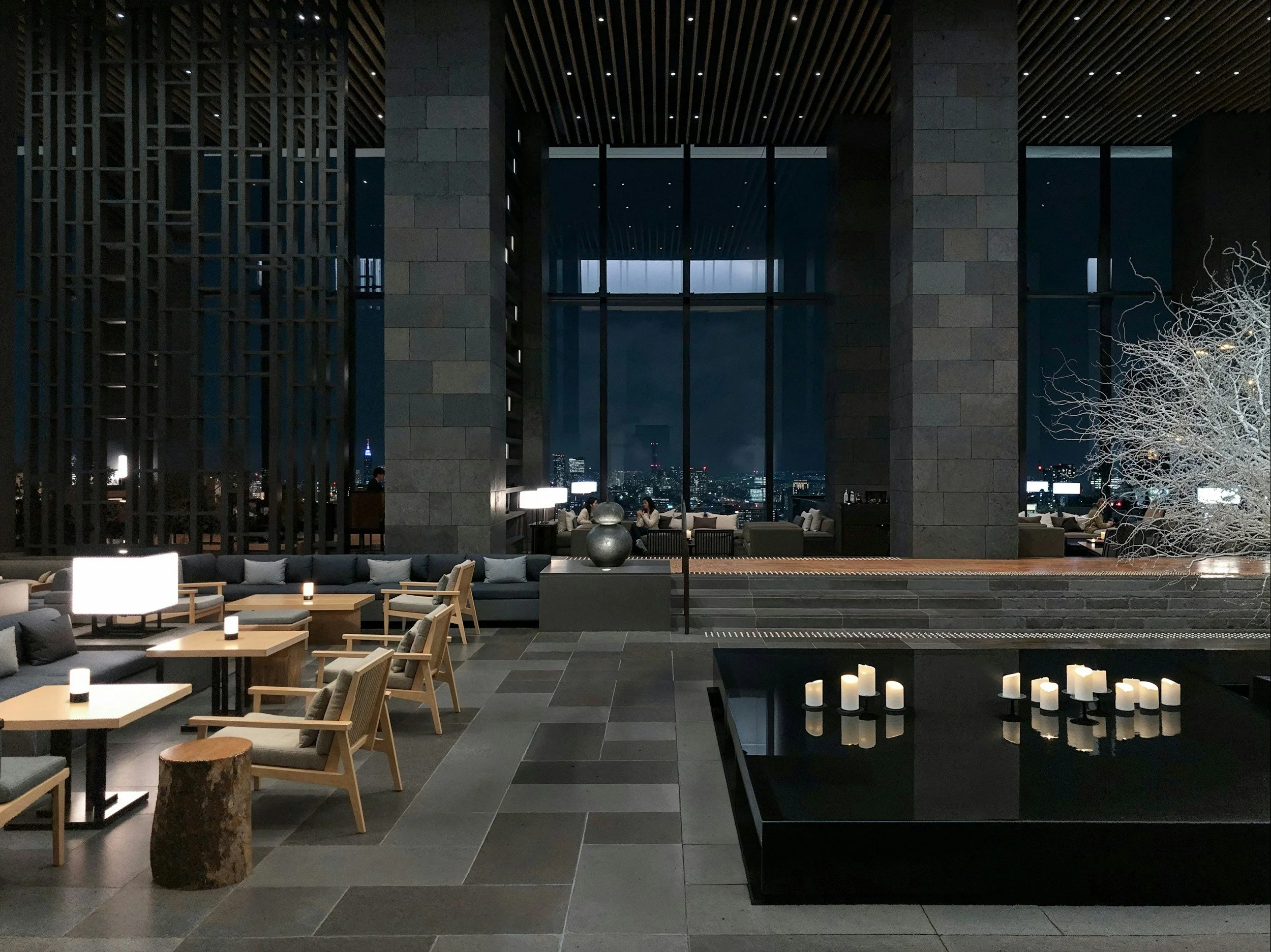
scale, balance, rhythm, unity, repetition, contrast harmony & hierarchy
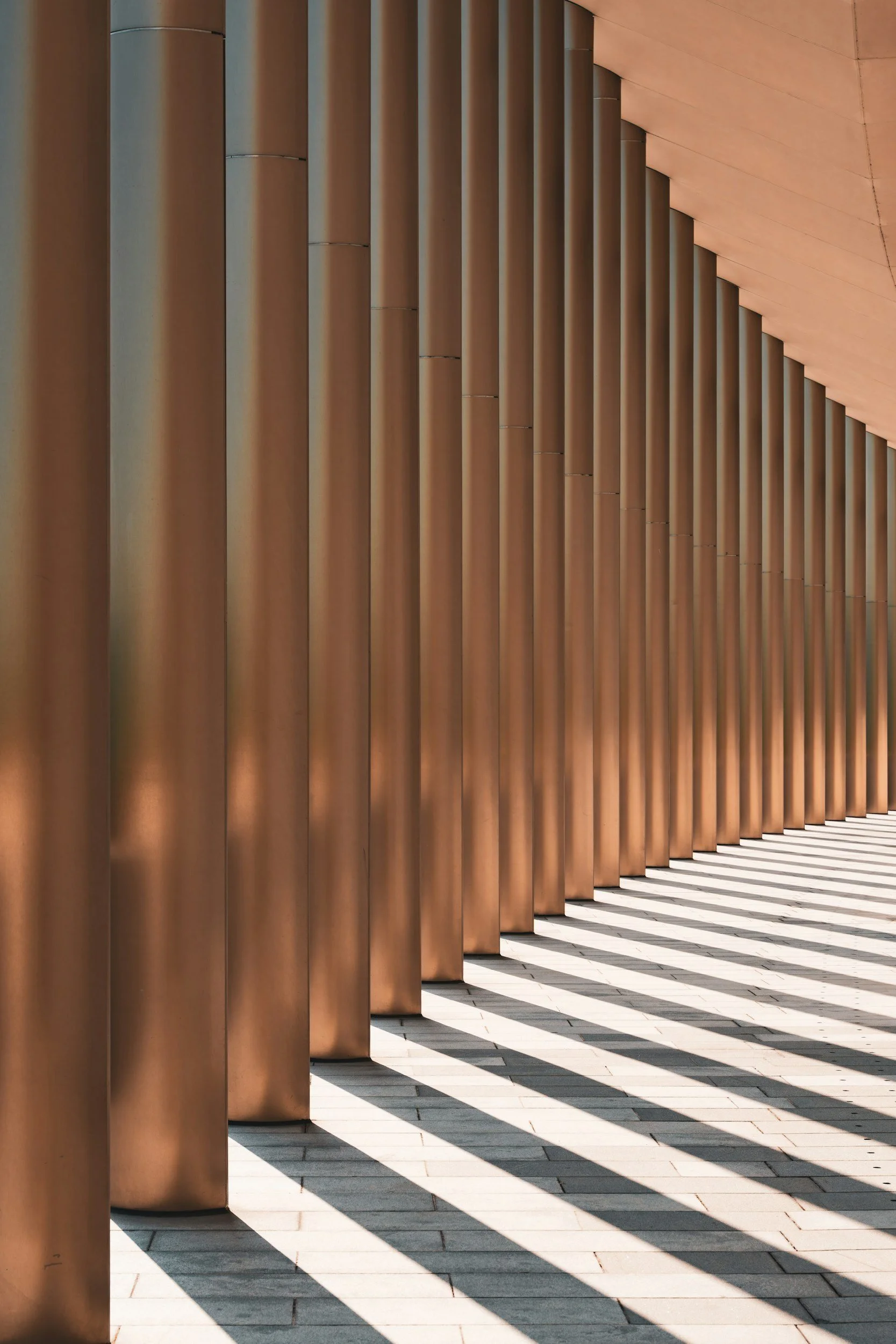
rhythm, repetition, harmony, contrast
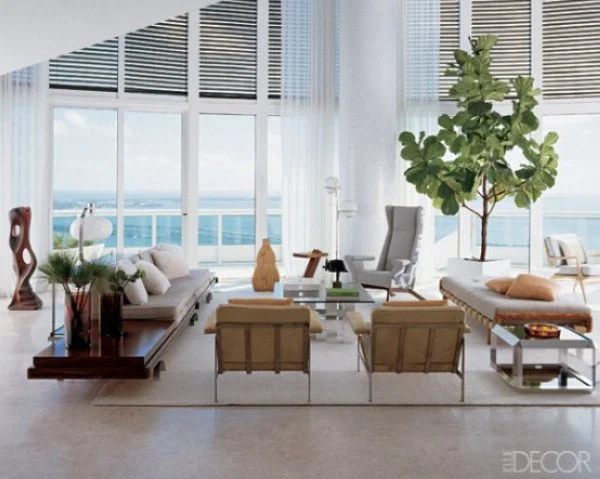
hierarchy, scale, balance, harmony, rhythm
