10 Multifamily Amenity & Clubhouse Design Trends That Will Dominate 2026
tomorrow’s design needs attention today
Developers are already sketching, budgeting, and breaking ground on projects that won’t lease until late 2026, 2027, or even 2028. That means the Amenity packages you approve in the next six to nine months will have a huge impact on pre-leasing momentum. No pressure, let’s call it an opportunity.
Whether your project is a condominium development with ownership or an apartment development for tenant leasing, the clubhouse and amenities are becoming the make-or-break factor for residents choosing where to call home in modern apartment living in 2026 and beyond....And especially in Florida, where population is surging and there's a crane on every corner, it's crucial to raise the bar.
This is 100% achieved through thoughtful, curated amenity designs
After 15 years designing clubhouses and amenity spaces across Florida and the Southeast alongside Boyan, we’ve been implementing many of these multifamily amenity trends for 2026 for years already…always thinking ahead. In multifamily development, the design you approve today doesn’t come to life until long after trends have evolved. By the time a project is permitted, built, and receives its CO, the market has already moved on. Predicting what’s next isn’t just helpful… it’s essential.
Trends are simply human-centered design. Designing thoughtfully today while designing for the people & demographic that will be living there tomorrow. It captures people and holds them there. People are your ROI.
Residents feel like they’re living in a resort and never want to leave;
Designers find affirmation that they are ‘making a difference’ when they visit the site or read the reviews;
Developers read their ROI charts and see the numbers climb.: faster pre-leasing, stronger renewals, lower turnover, and higher long-term value
It’s a win-win-win.
1. The “Third Place” Clubhouse - aka the place you never want to leave
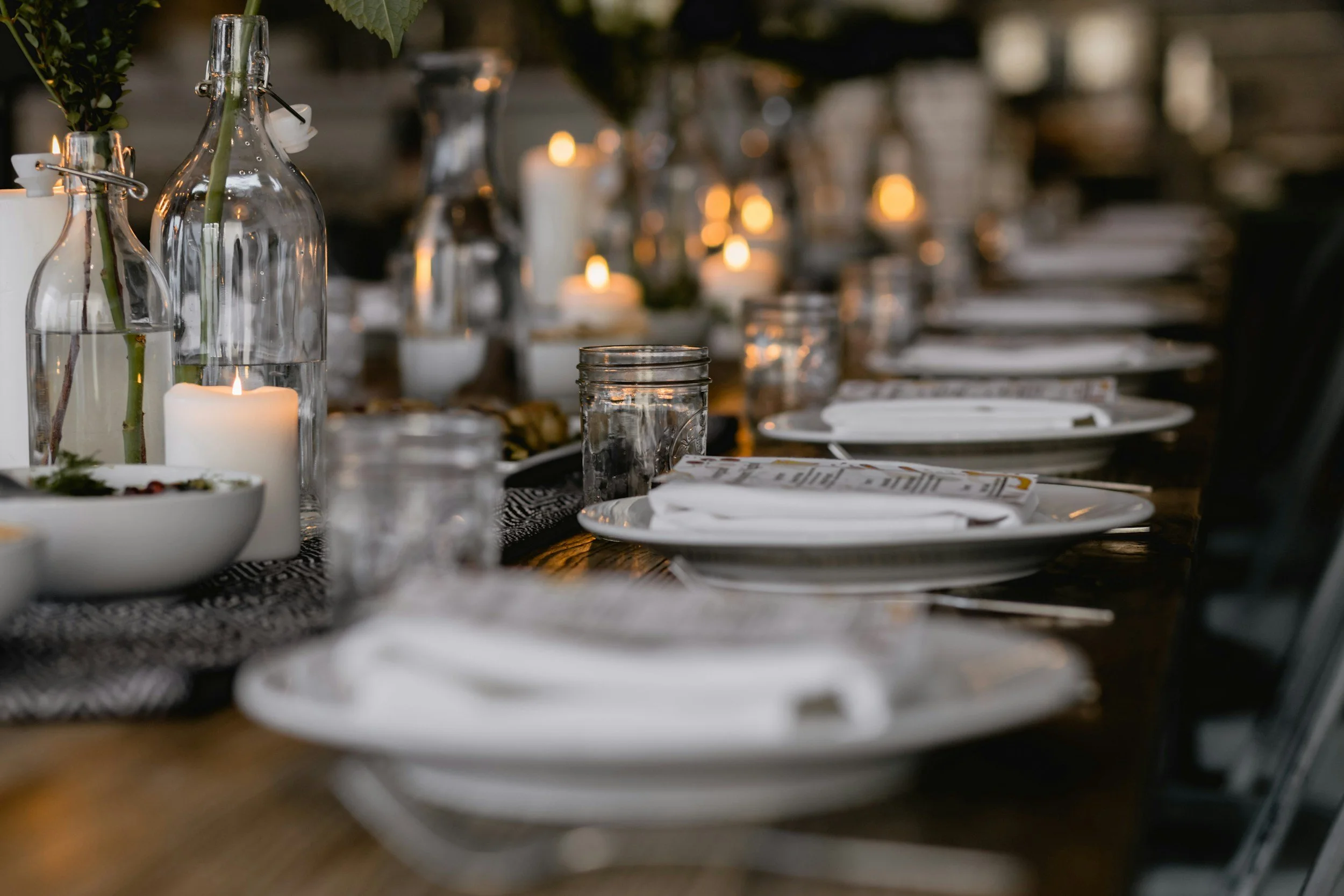
Not the lobby. Not the unit. The spot residents actually use. Ray Oldenburg was onto something, but this time the trend comes with a side of revenue. And if you somehow skipped that chapter in design school, Ray Oldenburg was the sociologist who coined the idea of the ‘third place’. The space in your life that’s neither home (first place) nor work (second place), but the relaxed social environment where community actually forms. Think neighborhood cafés, pubs, or the kind of spot where you don’t need a reservation and nobody expects you to buy a $15 cocktail to hang out. Architects and designers have borrowed Ray’s philosophy for years, but Multifamily is finally catching up. Residents want that same effortless, magnetic stay-awhile energy inside their Amenities. I know this for several reasons… one stand out is reading reviews where residents posted “I can go on dates here and never leave the property”. Reading that review meant so much to me. I never get to visit these clubhouse amenities after the final FF&E install and punchout, but I peek in on line with hope of reading something just like that. The modern clubhouse should become a social sanctuary that residents never want to leave.
2. Micro-Wellness Zones
Because a 5,000-square-foot gym is no longer enough. Residents want wellness. We all know now, how much we have been poisoned and contaminated. People are biohacking in epic portions. I know because I am personally one of them. Yes, full confession, I have a refrigerator full of supplements that promise to grow my telomeres. According to a 2024 National Multifamily Housing Council (NMHC) renter preferences survey, they found that 74% of renters consider sustainable features to be important. That’s pretty telling that wellness and sustainability are on the forefront of people’s mind. I’ve been trying to get clients to incorporate spa amenities for years with no takers, but I think we are finally here. Were talking infrared sauna pods, cold-plunge alcoves, cozy breath-work nooks and recovery lounges. Meditation and Rest are the rage, and this trend is not going out anytime soon. Tiny zones like these cost way less than a full spa but photograph like a million bucks on Instagram too.
3. Outdoor-Indoor Blur
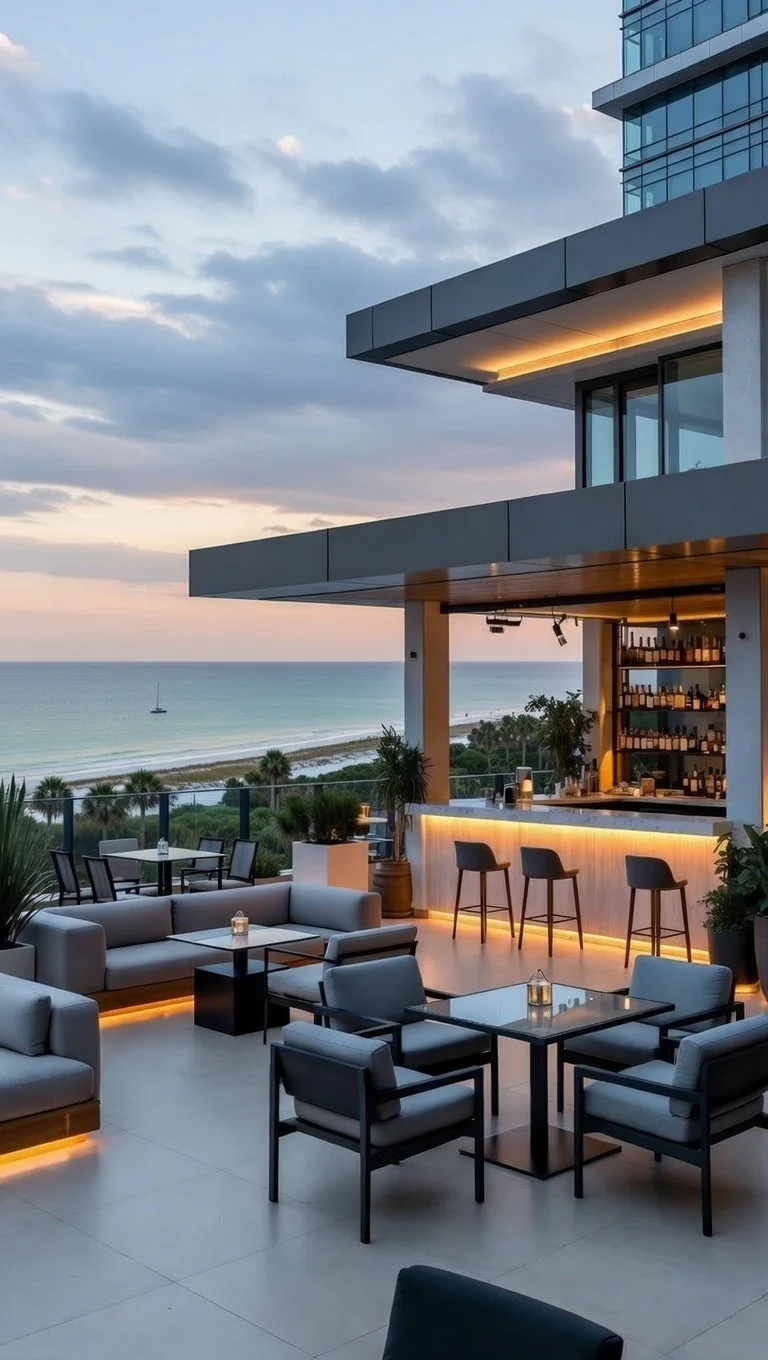
This trend isn’t new. When I was in college we coined it ‘bringing the outdoors in’. But it’s taking off as of late, and there are advancements in materials and fabrics that is allowing it happen without damaging consequences, even in the Florida micro-climate like we have here. Yes this means micro-plastics! Refer to Trend 2. Disappearing nano-walls that pocket completely and still hit hurricane ratings. Indoor kitchens flowing seamlessly into covered outdoor ones, fire-pit living rooms, poolside cabanas that are an extension of the clubhouse. Work that in with floor lanterns and accents of light that speak romantic retreat because amenity spaces should feel like a Resort hotel.
4. Biophilic Layering 102
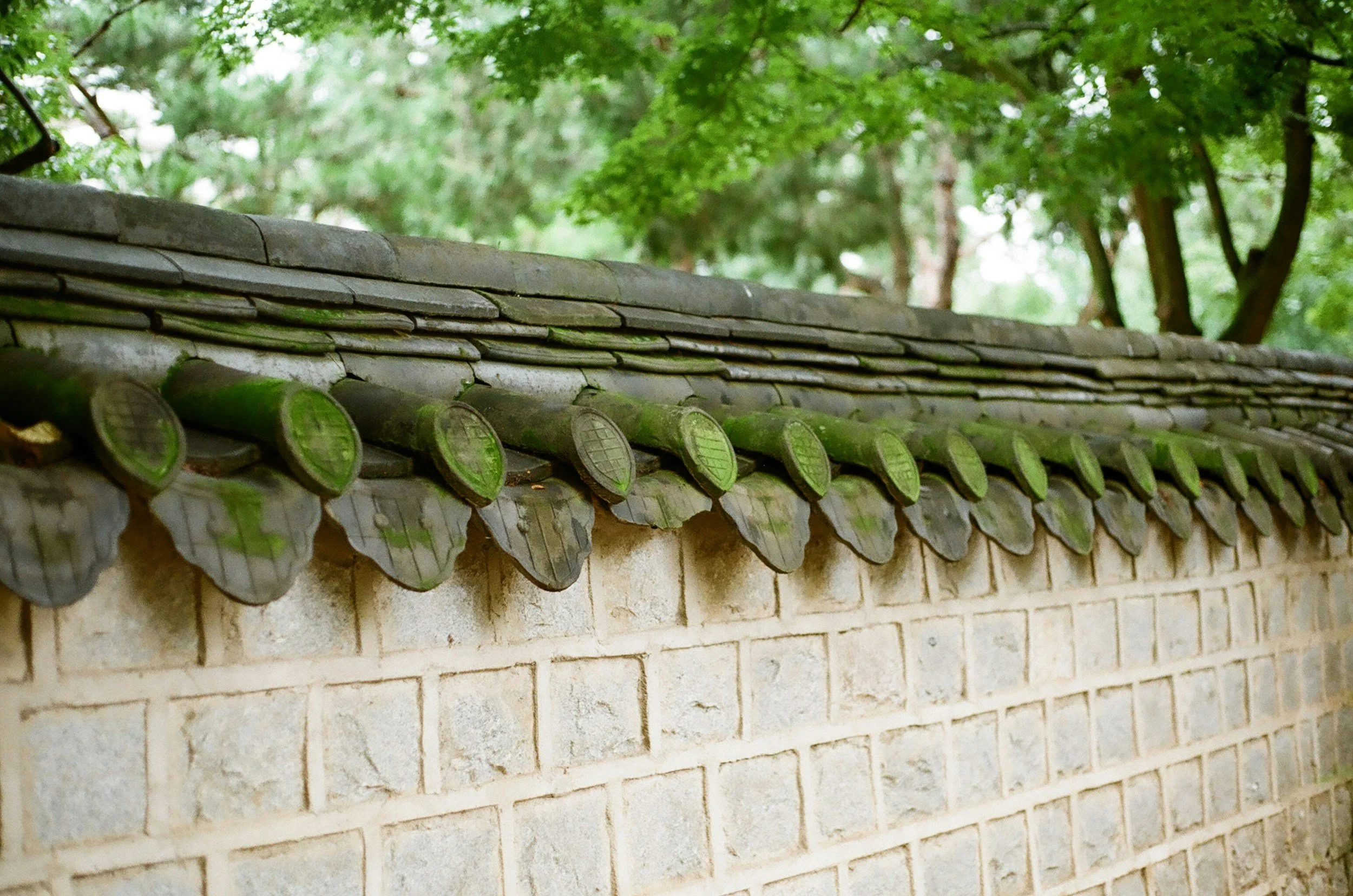
The simple living wall is yesterday's biophilia. Today’s trend is about engaging the full sensory journey of nature. This is Biophilic Layering 102: 101 was ‘bringing the outside in’. Today we are focusing on layers…rich texture, evocative scent, and ambient sound. Think moss installations, (out of reach from toddlers and tipsy residents) towering preserved olive trees filling a double height space, water features audible from the leasing office, that pump out oxygenated low lying mist and add essential oils to elicit subtle, grounding smells of cypress or blood orange, ensuring the space feels truly alive and immersive. Residents relax the second they walk in, leasing closes faster because nobody wants to leave, and the whole place photographs like a high-end Resort.
5. Flexible Pop-Up Event Rooms
One room. 800 to 1,200 square feet. Yoga studio in the morning, wine-tasting lounge at night, Super Bowl party in between. Motorized drapes, modular furniture, and AV on remote…make it happen in under 30 minutes. The days of the large, single-purpose amenity room should be over. Developers can no longer afford to allocate 800 to 1,200 square feet of high-value real estate to a use that only appeals to a fraction of the resident base for a few hours a week.
The Flexible Pop-Up Event Room (or multi-function room) solves this crucial problem by transforming a liability of unused space into a dynamic asset. The goal is simple: maximize the utility and appeal of the space by allowing it to fluidly transition between vastly different functions throughout the day and week. With advancements in tech and AI - this is easily incorporated in the modern day.
6. Quiet Luxury
The end of dull boring Clubhouses and its counterpart…Vegas style Clubhouses. Quiet luxury isn't just a fleeting vibe, it's solidifying as the backbone of design's future, especially going into 2026. What started as a fashion whisper has evolved into an interiors ethos that's all about longevity, emotional resonance, and that effortless "I've arrived without trying". We’re ditching boredom and bling overload for spaces that reward the senses. Matte-black fixtures, materials that feel like they’ve already aged like fine whiskey, lime-plaster or linen-wrapped walls that breathe, layered textures you want to reach out and touch, if they haven’t touched you first.
The design says "expensive" without ever shouting it.
As a lifelong minimalist, I’ve waited my entire career for this moment. Turns out all I had to do was stay boring long enough to become accidentally trendy.
7. Resident Creatives Program
Creative studios are in: pottery wheels, professional grade podcast booths, floral-arranging stations, even tiny jewelry benches. These programs lead to higher resident renewals, but more importantly, they inject an element of genuine fun and discovery into the community. With Gen Z famously cutting back on alcohol, we must provide engaging, skill-building activities that offer a meaningful alternative to scrolling. Bonus points for dynamic partnerships with local artists to keep the programming fresh. Renewals climb, stories explode, and the building feels alive. This isn’t an amenity…t’s the new happy hour.
8. Amenity-Integrated Food & Beverage
Basic coffee stations and package-room delivery lockers are now standard. Looking ahead to 2026–2028, clubhouses are evolving into true 24/7 food and beverage destinations that keep residents engaged without relying solely on third-party delivery apps. We’re specifying secure, climate-controlled vestibules that accept DoorDash orders while keeping the main lobby clean and orderly. Inside the amenity spaces, gourmet vending has finally matured. Machines that dispense pizza, grain bowls, salads, or late-night snacks. Automated coffee and smoothie stations with customizable options and plant-based milks on tap. Robotic mixology units that produce consistent cocktails or zero-proof drinks via resident app or key fob. Grab-and-go market shelves stocked daily by local vendors round out the offering.
Build costs remain reasonable, the setups generate meaningful passive revenue through vending sales or revenue-share partnerships, and most importantly, they give residents another compelling reason to gather in the clubhouse rather than stay in their units. Food is no longer just delivered to the building it’s thoughtfully integrated into it.
9. The 2026–2028 Color + Finish Palette
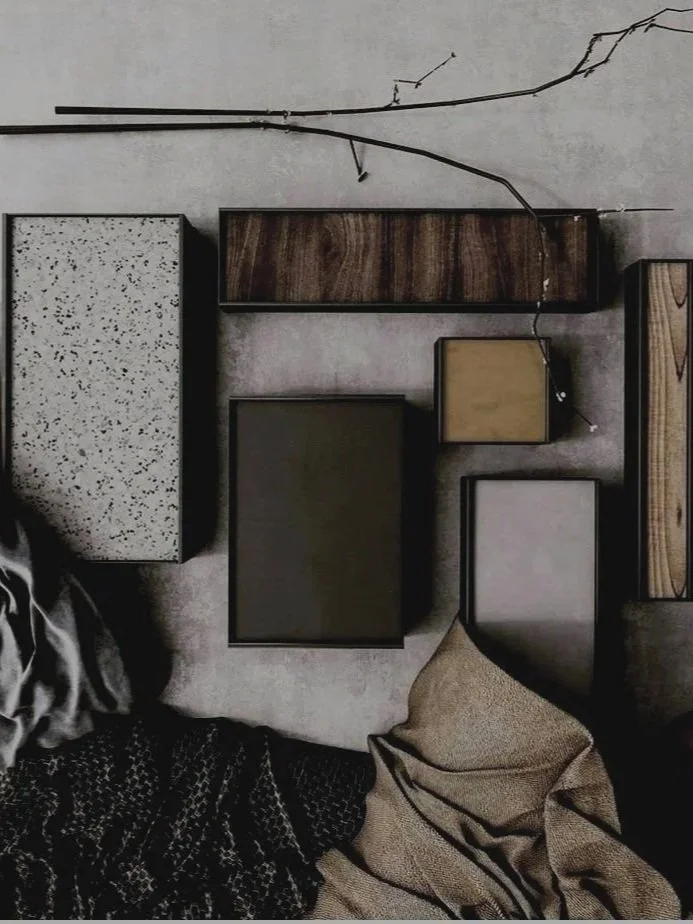
Cold gray and boring beige have finally retired. Warm, grounded colors are taking over: rising terracotta, toasted oat, desert sand, mossy biophilic greens, and deep espresso browns…all lit under that romantic 2700k glow. Every accent is chosen with one quiet question: “How good will this look in their iPhone selfie?”
2026 finishes lean tactile and timeless: sun-kissed, wire-brushed white oak floors; leathered granite islands you can’t help but touch. Matte-black hardware (that no…never going out of style), lime-washed walls that actually breathe; and shelves styled with ceramics and wood, weaving pieces that feel collected over years in Marrakech or Big Sur. Japandi has fully merged with modernism, creating spaces that feel curated, calm, and have effortless luxury.
In 2026, residents aren’t just walking into a clubhouse, they’re stepping into a lifestyle. One that feels well traveled, and a lifestyle residents never want to leave. That’s the real luxury.
10. The “First Place” Residence - aka the apartment that finally feels like home
By 2028, the #1 reason people will renew isn’t just the cold plunge or the podcast booth, it’s the feeling that their home is their home.
Offer a personalization package for residents.
Choose your bedroom or living-room paint color (8 curated, timeless paints to choose from - no neon) $499
Peel-and-stick digital mural or textured wallcovering $599
Island/Kitchen Pendant Upgrade…FREE install if you purchase the fixture Choose any pendant from our 12 options $100-$200 each. Want to take it with you when you leave? No problem. Want to leave it for the next resident? We’ll credit your final month’s rent $100.
Ala carte or full furniture package if you want to go big. $X.00
Put a beautiful mood-board photo of the 12 pendants in the leasing center and on the website and watch how many people pick that option first. It’s the “I designed my own kitchen light” flex that photographs like crazy on move-in day.
The math is a no-brainer. $800–$1,500 extra revenue per unit, 12–18 % higher renewal rates, and residents who post their “new home” reels tagging the property for years.
It’s the final trend of the decade: giving residents autonomy and their own personality into the unit where they actually live ‘The First Place’
The ten trends you just read aren’t just clever amenities. They’re the direct response to a deeper cultural reset that started in the lockdowns and never went away. We now guard our time. We scrutinize every surrounding. We refuse to settle for spaces that don’t actively make us feel alive, connected, and restored.
Today’s residents aren’t renting square footage. They’re choosing the First Place that finally feels like home and the Third Place they never want to leave the property for.
Get these ten things into your projects and you will build a community people brag about, stay in for years, and never want to leave.
For our practical 5 design hacks to build resort-inspired amenities for sustainability and longevity → Read our blog How to Create Resort-Style Amenities for Multifamily Projects That Feel Like a Vacation Residents Never Want to Leave